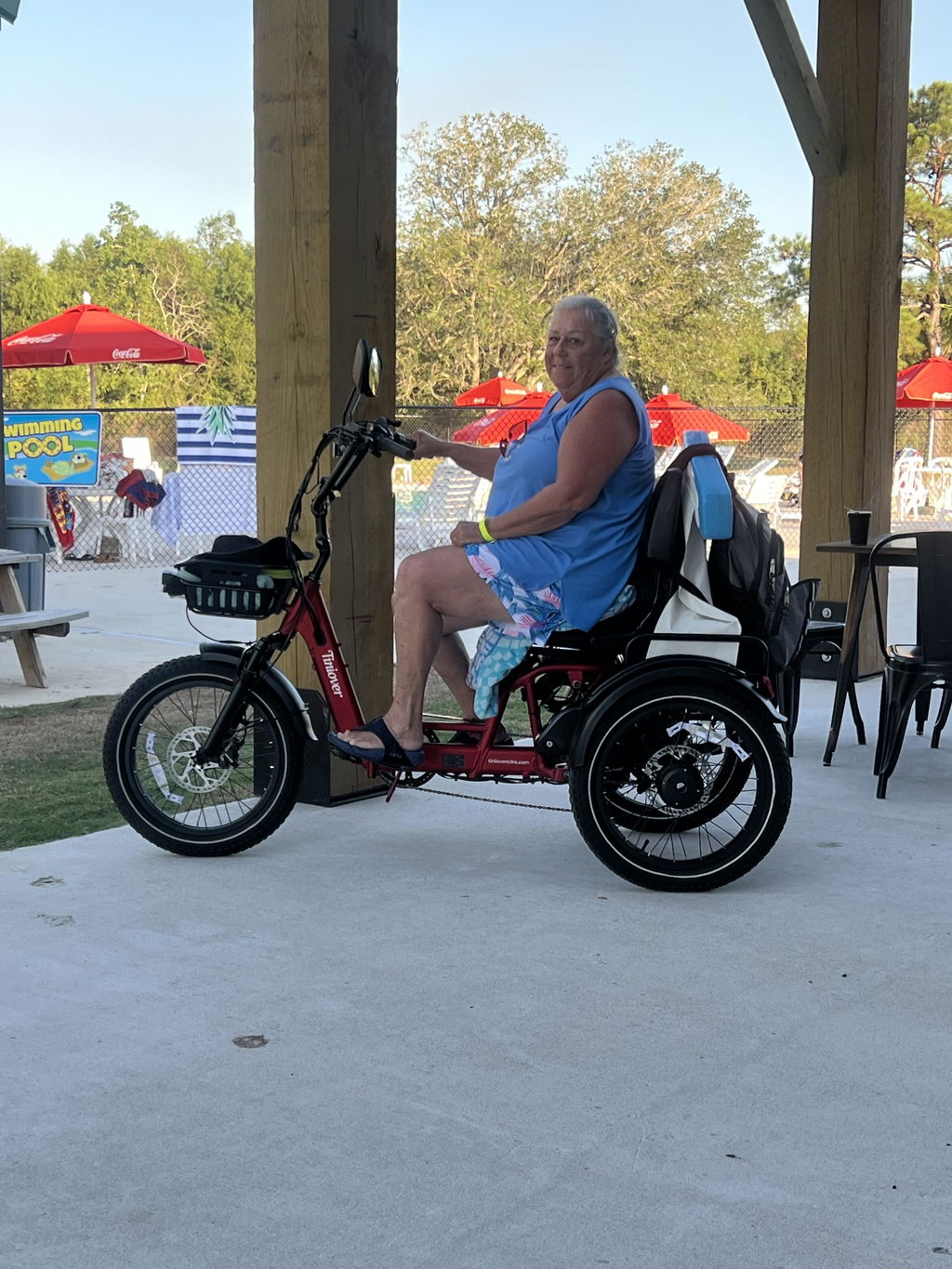


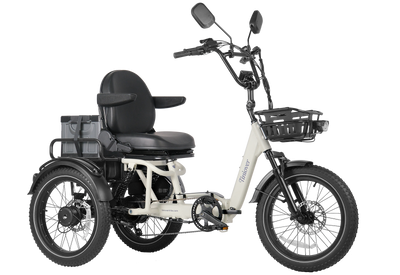
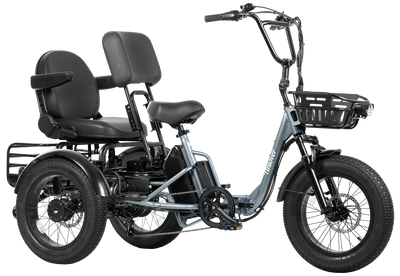
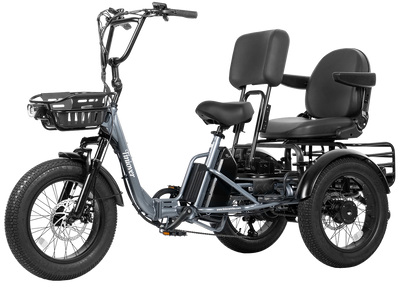


Fat Tire vs. Regular Tire — Which One Should You Choose for Your Electric Trike?
As more older adults turn to electric trikes for daily errands, family outings, and staying active, one question comes up again and again:
Do fat tires really make a difference, or are regular bike tires good enough?
The truth is, the type of tire you choose affects far more than just the look of the trike. It changes the comfort, stability, safety, and even where you can ride. For riders in their 50s, 60s, 70s, and beyond, these differences matter a lot.
Below is a clear, practical breakdown written from real riders’ experiences—not engineering theory—so you can decide what’s right for your needs.
1. What Exactly Is a Fat Tire—and Why Are Seniors Choosing It?
Fat tires are wider than standard bike tires, usually around 4 inches wide. That extra width creates a much bigger patch of rubber touching the ground. For older riders, that means:
- better balance
- more grip
- less slipping
- a smoother, softer ride
2. Comfort: Fat Tires Act Like Natural Shock Absorbers
As we age, many of us become more sensitive to vibration—bumpy sidewalks, cracked pavement, and rough roads feel harsher on the back, knees, and hands.
Fat tires help with that because they run at lower pressure, allowing them to flex and absorb impacts before they reach your body. A British rider explained it perfectly:
“Where I live, the roads are full of potholes, but these big tires just roll right over them.”
Regular tires, by contrast, are narrower and harder. They transmit almost every vibration straight to the rider. On an electric trike, which weighs more than a normal bicycle, this difference becomes even more noticeable.
3. Stability and Safety: The #1 Reason Older Riders Prefer Fat Tires
Safety is the biggest factor for most older adults considering a three-wheeled electric trike. Fat tires offer meaningful advantages here:
More grip
The larger contact patch reduces sliding on gravel, sand, grass, and wet pavement.
More stability at slow speeds
Something as simple as turning into a driveway or crossing a patch of uneven ground becomes easier.
Better obstacle clearance
Curbs, roots, small potholes, and trail bumps are less likely to throw the trike off balance.
Lower risk of tipping
A fat tire absorbs sudden dips and holes instead of “falling into” them.
4. Durability: Fat Tires Last Longer on Real-World Roads
This surprises many people. Because fat tires look softer, some assume they wear out faster. But in reality, the opposite is often true.
One user reported:
“My fat tire lasted 3,400 miles before I had a problem.
My regular tires wore out at around 1,000 miles on the same trails.”
Why?
Because fat tires:
- have thicker rubber
- better protect the rim
- handle bumps without cutting or pinching
- distribute weight more evenly
For electric trikes—which tend to carry groceries, pets, or even grandchildren—this durability is a big advantage.
5. Terrain Flexibility: Fat Tires Open Up More Places to Ride
Regular bike tires work fine on perfect concrete. But many riders live in areas where roads aren’t perfect.
Fat tires perform better on:
- gravel
- grass
- sand
- dirt paths
- patched pavement
- uneven neighborhood roads
- rural or semi-rural terrain
This flexibility gives older riders more confidence to explore without worrying about getting stuck or losing balance.
6. Where Regular Tires Still Have an Advantage
For fairness, regular bike tires do have two advantages:
They’re lighter
Some younger riders prefer the quicker feel of a narrow tire.
They fit bus bike racks
One rider pointed out that fat-tire bikes don’t fit the front racks on buses in their city.
But for most older trike riders—who choose trikes for stability, comfort, and family use—these aren’t major drawbacks.
7. So Which Tire Should You Choose for an Electric Trike?
If you are:
- concerned about balance
- riding on uneven pavement
- carrying groceries or a passenger
- living with joint pain
- riding at slower, steady speeds
- wanting the safest, most comfortable option
then fat tires are the better choice almost every time.
They give you:
- a softer ride
- more control
- better safety on imperfect roads
- fewer flats
- more confidence, especially as you age
For older adults, safety and comfort matter more than speed—and that’s exactly where fat tires shine.
Final Thoughts
Choosing a tire isn’t just a technical decision. It’s about confidence, comfort, and enjoying your rides without worrying about falling, slipping, or getting stuck in the wrong terrain.
Most riders over 50 who switch to fat tires say the same thing:
They wish they had tried them sooner.